

Can homeownership be within reach without breaking the bank? For many veterans and active-duty personnel, the answer lies in va home loans. These specialized loans offer a pathway to owning a home with favorable terms, making the dream of homeownership a reality.
VA loans have been a cornerstone in supporting those who have served the country, providing financial assistance that makes purchasing a home more accessible. With benefits such as lower interest rates and no down payment requirements, these loans are designed to ease the financial burden of homeownership.
Key Takeaways
Table of Contents
- VA loans offer favorable terms for veterans and active-duty personnel.
- These loans provide financial assistance for purchasing a home.
- Benefits include lower interest rates and no down payment requirements.
- VA loans are designed to support those who have served the country.
- They make homeownership more accessible and affordable.
Understanding VA Loans and Their Unique Benefits
VA loans are a government-backed financing option that provides numerous benefits to eligible veterans, active-duty personnel, and surviving spouses. This section will explore the details of VA loans, including their definition, advantages, and current rates and limits.
What Are VA Loans?
VA loans are a type of mortgage loan guaranteed by the U.S. Department of Veterans Affairs. They offer favorable terms to eligible borrowers, making it easier for them to purchase, refinance, or improve a home. The primary goal of VA loans is to provide safe and affordable housing for veterans and their families.
To qualify, borrowers must meet specific service requirements, which vary depending on the era they served in and their duty status. The Certificate of Eligibility is a crucial document that confirms a borrower’s eligibility for a VA loan.
Key Advantages of VA Loans
VA loans come with several key advantages that make them an attractive option for eligible borrowers. Some of the most significant benefits include:
- No down payment requirements for most borrowers
- Lower interest rates compared to conventional loans
- Lower or no mortgage insurance premiums
- More lenient credit score requirements
- The ability to finance up to 100% of the home’s purchase price
These benefits can result in significant savings for borrowers, both upfront and over the life of the loan.
Current VA Loan Rates and Limits
VA loan rates can fluctuate based on market conditions, but they generally remain competitive with other types of mortgage loans. As of the current market, VA loan rates are attractive, making it a good time for eligible borrowers to consider this financing option.
The VA loan limit is another critical factor to consider. While the VA itself does not set a maximum loan amount, it does guarantee a certain amount of the loan, known as the VA loan entitlement. For most borrowers, the VA guarantees up to 25% of the loan amount, up to the county loan limit.
Understanding the current VA loan rates and limits is essential for borrowers to make informed decisions about their home financing options.
VA Loan Eligibility Requirements
Understanding the eligibility criteria for VA loans is crucial for veterans and active-duty personnel seeking to secure their dream home. The Department of Veterans Affairs has established specific requirements that applicants must meet to qualify for these beneficial loans.
Service Requirements for Veterans and Active Duty
To be eligible for a VA loan, veterans and service members must meet certain service requirements. These include:
- Serving 90 consecutive days of active duty during wartime
- Serving 181 days of active duty during peacetime
- Being a current service member with at least 90 days of active duty
- Being a National Guard or Reserve member with at least six years of service
These requirements may vary depending on the individual’s circumstances, so it’s essential to check with the VA for specific details.
Credit Score and Income Considerations
While the VA does not set a minimum credit score requirement, lenders often have their own standards. A good credit score can help secure a lower interest rate and better loan terms. Additionally, lenders assess the applicant’s income to ensure they can afford the monthly mortgage payments.
Key factors considered include:
- Stable income and employment history
- Debt-to-income ratio
- Credit history and score
Lenders may also consider other financial obligations and assets when evaluating an applicant’s creditworthiness.
Property Requirements and Limitations
The property being purchased must also meet certain VA requirements. These include:
- The property must be used as a primary residence
- The property must meet minimum property requirements set by the VA
- Certain types of properties, such as investment properties or vacation homes, may not be eligible
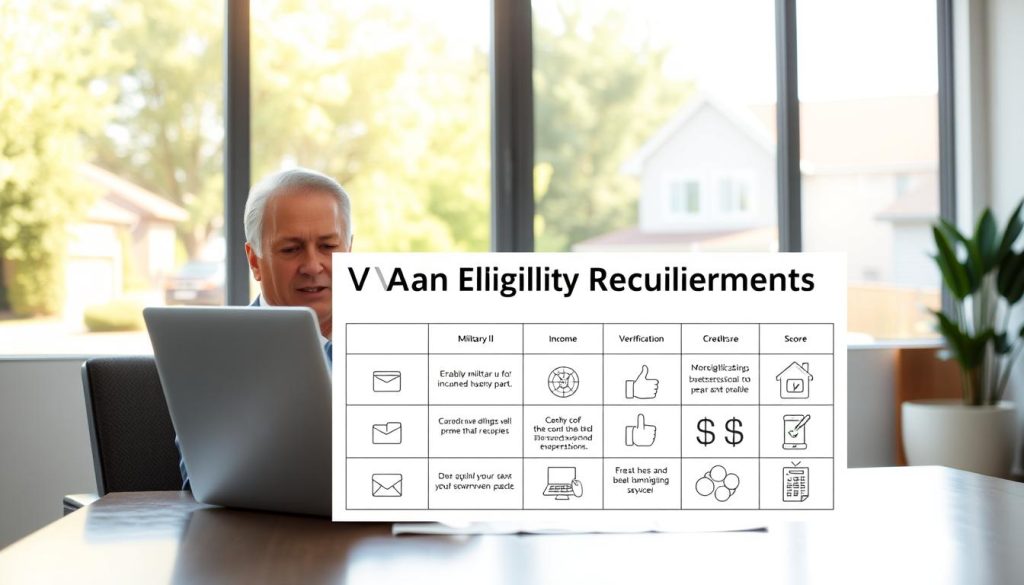
It’s essential to work with a VA-approved lender and real estate agent to ensure a smooth transaction and compliance with VA regulations.
Navigating the VA Loan Application Process
For veterans and active-duty personnel, navigating the VA loan application process is a crucial step towards homeownership. The process, while detailed, can be broken down into manageable steps that, when followed correctly, can lead to a successful outcome.
Step 1: Obtain Your Certificate of Eligibility
The first step in the VA loan application process is obtaining a Certificate of Eligibility (COE). This certificate is a critical document that verifies your eligibility for a VA loan. You can obtain your COE through the VA’s eBenefits portal or by mail using VA Form 26-1880. Ensuring you have your COE early in the process can streamline your loan application.
Step 2: Find a VA-Approved Lender
Not all lenders are approved to offer VA loans. Therefore, finding a VA-approved lender is a crucial step. You can search for lenders through the VA’s lender portal. Working with a lender experienced in VA loans can significantly simplify the application process.
Step 3: Pre-Approval and House Hunting
Once you’ve selected a lender, the next step is to get pre-approved for a VA loan. This involves a review of your financial information to determine how much you can borrow. With your pre-approval in hand, you can confidently begin house hunting, knowing your budget.
Step 4: Working with Real Estate Agents Familiar with VA Loans
Working with a real estate agent who has experience with VA loans can be incredibly beneficial. They can guide you through the home buying process, ensuring that you’re aware of the unique aspects of VA loans and how they impact your home purchase.
Step 5: VA Appraisal and Closing Process
The final steps in the VA loan application process involve a VA appraisal of the property to ensure it meets the VA’s minimum property requirements and the closing process. The appraisal is a critical step that ensures the property’s value is sufficient for the loan amount. After the appraisal, you’ll proceed to closing, where you’ll finalize the loan documents and complete the purchase of your home.
Navigating the VA loan application process requires attention to detail and the right guidance. By understanding and following these steps, veterans and active-duty personnel can successfully secure a VA loan and achieve their dream of homeownership.
Overcoming Common VA Loan Challenges
While VA loans offer numerous benefits, potential borrowers often face unique challenges that can be addressed with the right knowledge. Understanding these challenges is crucial for a smooth loan application process.
Comparing VA Loans vs. Conventional Financing
One of the primary challenges is understanding how VA loans compare to conventional financing options. VA loans offer more lenient credit score requirements and lower or no down payment requirements compared to conventional loans. However, they may have funding fees and specific property requirements.
| Loan Feature | VA Loans | Conventional Loans |
|---|---|---|
| Credit Score Requirements | More lenient | Stricter |
| Down Payment | Lower or no down payment | Typically 20% down |
| Funding Fees | May have funding fees | No funding fees |
Addressing Seller Concerns About VA Loans
Sellers may sometimes be wary of VA loans due to misconceptions about the complexity and speed of the process. In reality, VA loans can be just as reliable and efficient as conventional loans. Educating sellers about the benefits and process of VA loans can help alleviate their concerns.
Navigating VA Loan Entitlement for Multiple Purchases
For those looking to purchase multiple homes using VA loans, understanding entitlement is key. Veterans can have multiple VA loans throughout their lifetime, but the amount they can borrow may be limited by their remaining entitlement. Checking with the VA and understanding the remaining entitlement can help in planning multiple purchases.
Working with VA Loan Lenders Effectively
To navigate the VA loan process effectively, it’s crucial to work with lenders who are experienced in VA loans. They can provide guidance on the application process, help with pre-approval, and ensure that the loan is processed correctly and efficiently.
By understanding and addressing these common challenges, veterans and active-duty personnel can more effectively navigate the VA loan process and achieve their goal of homeownership.
Conclusion: Making the Most of Your VA Loan Benefit
As we’ve explored throughout this article, VA loans offer a unique pathway to homeownership for eligible veterans, active-duty personnel, and surviving spouses. By understanding the benefits and requirements of VA loans, you can unlock the door to your dream home with favorable terms and significant savings.
The va loan benefits are clear: no down payment requirements, competitive interest rates, and lower mortgage insurance premiums make VA loans an attractive option. To make the most of this benefit, it’s essential to work with a VA-approved lender and stay informed about the current VA loan rates and limits.
By following the steps outlined in this article, you can navigate the VA loan application process with confidence. Whether you’re a first-time homebuyer or looking to refinance, VA loans can provide a valuable financing option. Take the next step towards achieving your homeownership goals and explore the possibilities that VA loans have to offer.