

Are you aware that renewing your car insurance policy without reviewing it could lead to missed savings opportunities?
Many drivers automatically renew their policies without exploring better options, potentially wasting money on unnecessary coverage or missing out on more competitive rates. As you approach your policy’s renewal date, it’s essential to assess your current coverage and explore ways to optimize it for your needs.
Renewing your policy is more than just a routine task; it’s a chance to reevaluate your insurance needs and make informed decisions. In this article, we’ll guide you through the best practices for car insurance renewal, helping you navigate the process with confidence.
Key Takeaways
Table of Contents
- Understand the importance of reviewing your policy before renewal.
- Learn how to assess your current coverage and identify potential savings.
- Discover strategies for comparing insurance quotes effectively.
- Explore factors that influence your insurance premiums and how to address them.
- Get tips on negotiating with your insurer for better rates.
The Smart Driver’s Guide to Insurance Renewal
The key to a stress-free car insurance renewal lies in being prepared and knowing the right steps to take. As you approach your renewal date, it’s essential to understand the process and what it entails.
When to Begin the Renewal Process
It’s recommended to start the renewal process at least 30 days before your policy expires. This allows you sufficient time to review your current policy, compare quotes, and make any necessary adjustments. Early renewal also gives you leverage to negotiate with your insurer.
Essential Documents and Information to Gather
To ensure a smooth renewal, gather all necessary documents, including your current policy details, vehicle information, and driving history. Having these documents ready will help you accurately compare quotes and make informed decisions.
Digital vs. Traditional Renewal Methods
Insurers now offer both digital and traditional renewal methods. Digital renewal is convenient and often faster, while traditional methods provide a personal touch. Choose the method that best suits your needs, and consider using online tools to compare car insurance quotes effectively.
Why Reviewing Your Current Policy is Critical
Understanding your existing car insurance coverage is vital for making informed decisions during renewal. As your life circumstances change, so do your insurance needs. Reviewing your policy helps you identify any gaps in coverage and make necessary adjustments.

Spotting Potential Coverage Gaps
A thorough review of your policy can reveal potential coverage gaps. For instance, if you’ve recently purchased a new vehicle, you may need to adjust your coverage limits. Similarly, if you’ve added a new driver to your policy, you should ensure they’re adequately covered.
Life Changes That Affect Your Insurance Needs
Significant life events, such as moving to a new location or getting married, can impact your insurance needs. For example, if you’ve moved to an area with higher crime rates, you may want to consider comprehensive coverage. On the other hand, if you’ve gotten married, you may be eligible for a multi-policy discount.
Verifying Policy Details and Personal Information
It’s essential to verify that your policy details and personal information are up-to-date. Check that your name, address, and vehicle information are accurate. Any discrepancies can lead to issues with your coverage or claims processing.
Car Insurance Renewal Tips That Save You Money
Car insurance renewal is an opportunity to reassess your coverage and potentially lower your costs. By employing the right strategies, you can ensure you’re not overpaying for your insurance.
Policy Bundling Strategies
One effective way to save money is by bundling your car insurance with other policies, such as home or life insurance, from the same provider. This can lead to significant discounts, as insurers often reward customers who consolidate their policies.
Smart Deductible Adjustments
Adjusting your deductible can also impact your premiums. Opting for a higher deductible can lower your premium, but be sure you can afford the deductible amount in case of a claim.
Unlocking Hidden Discounts
Many insurers offer discounts that aren’t immediately apparent. These can include:
Safe Driver Discounts
Drivers with a clean driving record may qualify for safe driver discounts.
Vehicle Safety Feature Discounts
Vehicles equipped with advanced safety features, such as lane departure warning systems or anti-theft devices, may also be eligible for discounts.
Pay-Per-Mile and Usage-Based Options
For those who don’t drive extensively, pay-per-mile or usage-based insurance can offer significant savings. These plans charge premiums based on the actual mileage or driving habits.
| Insurance Type | Description | Potential Savings |
|---|---|---|
| Policy Bundling | Combining multiple policies with one insurer | Up to 20% |
| Deductible Adjustment | Increasing your deductible to lower premiums | Up to 30% |
| Usage-Based Insurance | Premiums based on actual driving habits or mileage | Up to 40% |
By implementing these strategies, you can make your car insurance renewal process more cost-effective. It’s essential to review your policy annually and explore the available options to ensure you’re getting the best deal.
Understanding Factors That Impact Your Premium
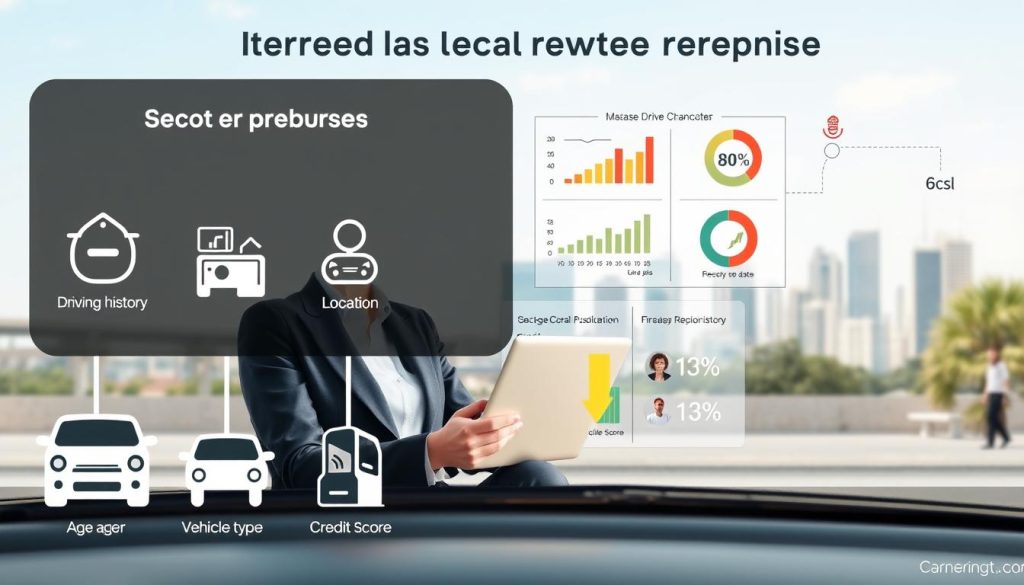
The cost of your car insurance is influenced by multiple factors, including your driving history and vehicle details. Insurers use these factors to assess the level of risk associated with covering your vehicle.
How Your Driving History Affects Rates
Your driving history plays a significant role in determining your car insurance rates. A clean driving record with no accidents or tickets can lead to lower premiums, while a history of claims can increase your rates. Insurers view drivers with a history of accidents or traffic violations as higher-risk clients.
Vehicle Considerations: Make, Model, and Age
The make, model, and age of your vehicle are also crucial factors. Newer, luxury, or high-performance vehicles typically cost more to insure due to higher repair or replacement costs. In contrast, older models may be cheaper to insure but could lack advanced safety features.
The Credit Score Connection
Many insurers use credit scores to help determine premiums. A good credit score can lead to lower car insurance rates, as it indicates to insurers that you’re likely to be more responsible with your financial obligations.
Geographic and Personal Factors
Where you live and personal factors such as age, marital status, and driving experience also impact your car insurance rates. Urban areas often have higher premiums due to increased risk of theft or accidents, while rural areas may have lower rates. Additionally, married individuals and those with more driving experience may qualify for lower rates.
How to Compare Car Insurance Quotes Effectively
Effective comparison of car insurance quotes is vital for making an informed decision about your insurance coverage. With numerous insurance providers offering a wide range of policies, comparing quotes can seem daunting. However, by following a few simple steps, you can ensure you’re getting the best coverage at a competitive price.
Utilizing Online Comparison Tools
One of the most efficient ways to compare car insurance quotes is by using online comparison tools. These platforms allow you to enter your information once and receive multiple quotes from different insurers. This not only saves time but also gives you a clear overview of the available options. Look for reputable comparison websites that provide accurate and up-to-date information.
Creating an Apples-to-Apples Comparison
When comparing quotes, it’s essential to ensure you’re comparing similar policies. Create a checklist of the coverage options, deductibles, and limits you’re interested in. This will help you make a fair comparison between different insurers. Pay attention to the details, as small differences can significantly impact your coverage and costs.
Evaluating Insurer Reputation and Service
Beyond the price, the reputation and service quality of the insurer are crucial. Research the insurer’s customer service ratings and read reviews from other customers. This will give you insight into how claims are handled and the overall customer experience. A reputable insurer with good customer service can make a significant difference when you need to file a claim.
Decoding Policy Language and Exclusions
Understanding the policy language and exclusions is vital to knowing what you’re covered for. Carefully read the fine print and ask questions if you’re unsure about any aspect of the policy. Knowing what’s excluded or limited can help you avoid surprises when you need to make a claim.
By following these steps, you can effectively compare car insurance quotes and make an informed decision that meets your insurance needs and budget.
Navigating Coverage Options for Optimal Protection
Navigating the complex world of car insurance can be daunting, but it’s essential for optimal protection. As you review your policy, understanding the different coverage options available is crucial.
Liability Coverage: Finding the Right Limits
Liability coverage is a critical component of your car insurance policy. It covers damages to others in the event of an accident. To determine the right limits, consider your financial situation and the potential costs of an accident. It’s recommended to have enough coverage to protect your assets.
Comprehensive vs. Collision: What You Need to Know
Comprehensive and collision coverage are two distinct types of coverage that protect your vehicle. Comprehensive coverage includes damages not related to accidents, such as theft or natural disasters. Collision coverage, on the other hand, covers damages resulting from accidents. Understanding the difference between these two coverages is vital to making informed decisions.

Specialized Coverages Worth Considering
In addition to standard coverage options, there are specialized coverages that can provide extra protection. These include:
- Roadside assistance
- Rental car reimbursement
Roadside Assistance
Roadside assistance provides help in case of a breakdown or accident, including towing and fuel delivery.
Rental Car Reimbursement
Rental car reimbursement covers the cost of a rental car if your vehicle is being repaired due to an accident.
By understanding and navigating these coverage options, you can ensure optimal protection for yourself and your vehicle.
Negotiation Tactics for Better Insurance Rates
Armed with the right information, you can negotiate your car insurance renewal to achieve significant savings. Negotiation is not just about asking for a lower rate; it’s about understanding your policy, knowing your worth as a customer, and being aware of the competitive landscape.
To effectively negotiate, you need to leverage the right tactics. Here are some strategies to consider:
Using Competitive Quotes as Leverage
One of the most effective ways to negotiate a better rate is by using competitive quotes as leverage. If you’ve received a quote from another insurer that is lower than your current renewal rate, you can use this information to negotiate a better deal. Be sure to highlight your loyalty and any safe driving records to strengthen your negotiation.
The Loyalty and Safe Driver Conversation
Discussing your loyalty and safe driving habits with your insurer can lead to discounts. Many insurers reward long-term customers and safe drivers with lower premiums. It’s essential to ask about potential discounts related to your driving history and loyalty.
Questions That Can Lead to Discounts
Asking the right questions can uncover additional discounts. For example, you might ask about discounts for bundling policies, being a good student, or having certain safety features in your vehicle.
“Can you review my policy to identify any potential discounts I might be eligible for?”
is a great question to start the conversation.
Conclusion: Putting Your Car Insurance Renewal Knowledge to Work
Now that you’re equipped with the top car insurance renewal tips, it’s time to put your knowledge into action. Reviewing your car insurance policy is crucial to ensuring you have the best coverage at the right price. By applying the best practices for car insurance renewal, you can save money, reduce stress, and drive away with confidence.
Effective car insurance renewal is not just about renewing your policy; it’s about making informed decisions that protect you and your vehicle. By considering factors that impact your premium, comparing quotes, and navigating coverage options, you can optimize your insurance for your needs.
As you approach your car insurance renewal, remember that a little preparation goes a long way. Take the time to gather essential documents, understand your policy, and explore discounts. With these car insurance renewal tips, you’ll be well on your way to a seamless and successful renewal process.