

Are you dreaming of owning your own home but struggling to secure a mortgage? You’re not alone. Many individuals face challenges when trying to achieve their homeownership goals.
The Federal Housing Administration (FHA) offers a solution with its mortgage programs, making it easier for people to qualify for a mortgage and become homeowners. By providing more lenient credit score requirements and lower down payment options, FHA home loans have become a popular choice for many.
Key Takeaways
Table of Contents
- Federal Housing Administration (FHA) mortgage programs simplify the path to homeownership.
- More lenient credit score requirements make it easier to qualify for an FHA home loan.
- Lower down payment options are available with FHA mortgage programs.
- FHA home loans are a popular choice for many prospective homeowners.
- The FHA mortgage program is designed to make homeownership more accessible.
What Are FHA Home Loans?
Understanding FHA home loans is essential for those looking to navigate the complex world of mortgage financing. These loans are backed by the Federal Housing Administration, a government agency that plays a pivotal role in making homeownership more accessible to a wider audience.
The Role of the Federal Housing Administration
The Federal Housing Administration (FHA) is a division of the U.S. Department of Housing and Urban Development (HUD). Its primary role is to insure mortgages, making it easier for lenders to offer more favorable terms to borrowers. By doing so, the FHA helps to reduce the risk associated with lending, thereby increasing the availability of mortgage credit.
Core Features of FHA-Backed Mortgages
FHA-backed mortgages are known for their lenient credit score requirements and lower down payment options. Borrowers can qualify for an FHA loan with a down payment as low as 3.5%, making it an attractive option for first-time homebuyers or those with less-than-perfect credit. Additionally, FHA loans offer competitive interest rates and more flexible qualification standards compared to conventional loans.
Who FHA Loans Are Designed to Help
FHA loans are designed to assist low-to-moderate-income borrowers, first-time homebuyers, and those who may not qualify for conventional financing due to credit issues. By providing more lenient qualification standards and lower down payment requirements, FHA loans help to make homeownership more achievable for a broader range of Americans.
Key Benefits of FHA Home Loans
With several key advantages, FHA home loans are an attractive option for those looking to purchase a home. These benefits make the dream of homeownership more achievable for many Americans.
Lower Down Payment Requirements (3.5%)
One of the most significant advantages of FHA loans is the low down payment requirement of just 3.5%. This makes it easier for first-time homebuyers or those with limited savings to secure a mortgage.
More Lenient Credit Score Guidelines
FHA loans are more forgiving when it comes to credit scores. Borrowers with credit scores as low as 580 can qualify, although some lenders may have stricter requirements.

Competitive Interest Rates
FHA loan rates are often competitive with other types of mortgages, helping borrowers save on interest over the life of the loan.
Assumable Mortgage Option
FHA loans are assumable, meaning that if you sell your home, the buyer can take over your existing loan, potentially at a more favorable interest rate than current market rates.
Key Takeaways:
- Low down payment requirements
- Lenient credit score guidelines
- Competitive interest rates
- Assumable mortgage option
These benefits, combined with competitive FHA loan rates and understanding FHA loan limits, make FHA home loans an appealing choice for many homebuyers.
FHA Loan Eligibility Requirements
Understanding the eligibility requirements for FHA loans is crucial for potential borrowers. To qualify, borrowers must meet specific criteria set by the Federal Housing Administration.
Minimum Credit Score Thresholds
The FHA has a minimum credit score requirement of 580 for loan approval, although some lenders may have stricter requirements. Borrowers with lower credit scores may still qualify but might need to make a larger down payment.
Debt-to-Income Ratio Guidelines
The FHA typically allows a debt-to-income ratio of up to 31% for housing expenses and 43% for total debt. However, these ratios can vary based on the lender and other factors.
Employment and Income Verification
Borrowers must provide proof of stable employment and income. This typically involves providing pay stubs, W-2 forms, and tax returns.
Property Standards and Appraisal Requirements
The property being purchased must meet FHA property standards, which include safety, security, and livability requirements. An appraisal is required to ensure the property’s value and condition.
| Eligibility Criteria | Description | Requirement |
|---|---|---|
| Credit Score | Minimum score for loan approval | 580 |
| Debt-to-Income Ratio | Housing expenses and total debt | 31% and 43% |
| Employment and Income | Stable employment and income verification | Pay stubs, W-2, tax returns |
| Property Standards | Safety, security, and livability | FHA property standards |
Understanding FHA Loan Limits and Costs
Understanding the financial aspects of FHA loans, including loan limits and costs, is essential for prospective homeowners. When considering an FHA loan, it’s crucial to grasp the various financial implications to make an informed decision.
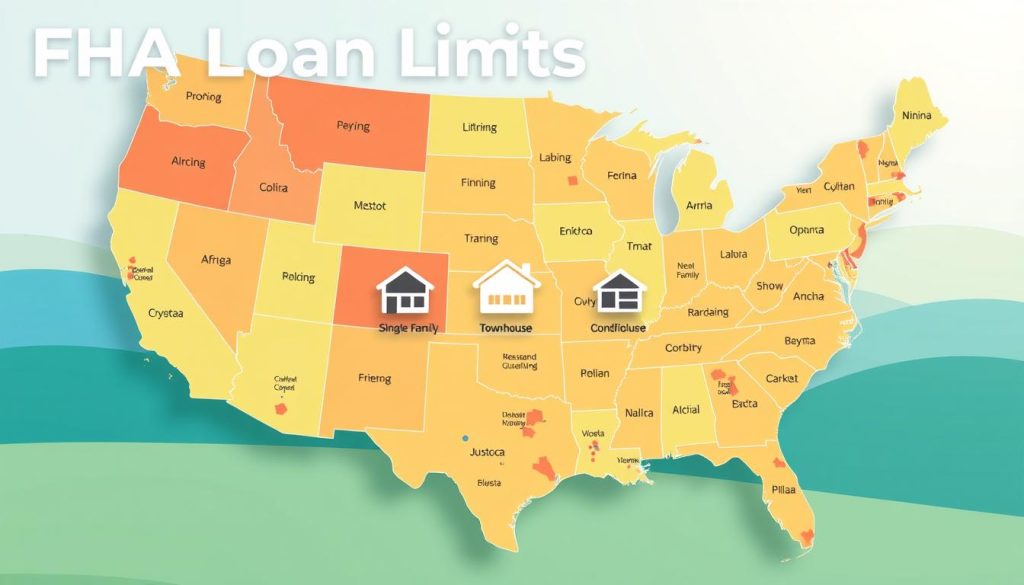
County-by-County Loan Limits
FHA loan limits vary by county, reflecting the local housing market conditions. These limits are typically higher in areas with higher median home prices. For instance, in 2023, the FHA loan limit for a single-family home in low-cost areas is $472,030, while in high-cost areas, it can go up to $1,089,300.
Upfront Mortgage Insurance Premium (MIP)
One of the significant costs associated with FHA loans is the Upfront Mortgage Insurance Premium (MIP), which is typically 1.75% of the loan amount. This can be financed into the loan.
| Loan Amount | Upfront MIP |
|---|---|
| $200,000 | $3,500 |
| $300,000 | $5,250 |
Annual MIP Costs and Duration
In addition to the upfront MIP, there’s an annual MIP, which ranges from 0.15% to 0.75% of the loan amount, depending on the loan term and LTV ratio. The duration of MIP payments can last for the life of the loan or until the LTV ratio drops below 78%.
Typical Closing Costs for FHA Loans
Closing costs for FHA loans can include origination fees, title insurance, and appraisal fees, among others. These costs can vary but are typically a percentage of the loan amount.
By understanding these costs and limits, borrowers can better navigate the FHA loan process and make more informed financial decisions.
Step-by-Step Guide to Applying for an FHA Loan
To successfully apply for an FHA loan, it’s essential to follow a step-by-step approach. This guide will walk you through the entire process, from checking your credit and financial readiness to final approval and closing.
Step 1: Check Your Credit and Financial Readiness
Before applying for an FHA loan, it’s crucial to assess your credit score and financial situation. Your credit score plays a significant role in determining the interest rate you’ll qualify for and whether you’ll be approved for the loan.
Check your credit report for any errors and work on improving your credit score if necessary.
Step 2: Get Pre-Approved for Financing
Getting pre-approved for an FHA loan gives you a clear understanding of how much you can borrow. It involves submitting financial documents to a lender, who will then issue a pre-approval letter.
Step 3: Find an FHA-Approved Lender
Not all lenders are approved to issue FHA loans. You’ll need to find a lender that is FHA-approved to proceed with your application.
Step 4: Complete the Loan Application
The loan application process involves submitting detailed financial information. Be prepared to provide documents such as pay stubs, bank statements, and tax returns.
Step 5: Navigate the Home Appraisal Process
An FHA-approved appraiser will evaluate the value of the property you’re purchasing. This step is crucial in ensuring that the property meets FHA standards.
Step 6: Proceed to Final Approval and Closing
After the appraisal, your loan will be reviewed for final approval. Once approved, you’ll proceed to closing, where you’ll sign the final documents and receive the keys to your new home.
Types of FHA Home Loans Available
The Federal Housing Administration (FHA) offers a variety of home loan options to cater to different borrower needs. These options are designed to make homeownership more accessible and affordable for a wide range of buyers.
Standard Fixed-Rate FHA Loans
Standard fixed-rate FHA loans provide borrowers with a stable interest rate for the entire term of the loan. This predictability makes it easier for homeowners to budget their monthly mortgage payments.
Adjustable-Rate FHA Options
Adjustable-rate FHA loans offer an initial fixed interest rate that later adjusts periodically based on market conditions. These loans can be beneficial for borrowers who expect their income to increase or plan to sell the property before the rate adjusts.

FHA 203(k) Rehabilitation Loans
The FHA 203(k) rehabilitation loan allows borrowers to finance both the purchase of a home and its renovation costs into a single mortgage. This loan is ideal for buyers looking to purchase a fixer-upper.
Energy Efficient Mortgage (EEM) Program
The Energy Efficient Mortgage program enables borrowers to finance energy-efficient improvements into their FHA loan. This can help reduce energy costs and make homes more comfortable.
FHA Loans for Manufactured Housing
FHA loans for manufactured housing provide financing options for buyers of manufactured homes, including those placed on land owned by the borrower. These loans can offer more lenient credit score requirements and lower down payments.
By understanding the different types of FHA home loans available, borrowers can make informed decisions about which loan best fits their needs and financial situation.
FHA Refinancing Options
Refinancing an FHA loan can be a strategic move for homeowners looking to lower their monthly payments or tap into their home’s equity. The Federal Housing Administration offers several refinancing options to help borrowers achieve their financial goals.
FHA Streamline Refinance Process
The FHA Streamline Refinance is a straightforward process that allows homeowners to refinance their existing FHA loan with minimal documentation and no appraisal required in some cases. This option is ideal for borrowers looking to reduce their interest rate or switch from an adjustable-rate to a fixed-rate loan.
Cash-Out Refinancing with FHA
Cash-Out Refinancing with FHA enables homeowners to tap into their home’s equity, providing them with cash for renovations, debt consolidation, or other financial needs.
| Refinancing Option | Key Features | Benefits |
|---|---|---|
| FHA Streamline Refinance | Minimal documentation, no appraisal required | Lower interest rate, reduced monthly payments |
| Cash-Out Refinancing | Tap into home equity | Access cash for financial needs |
| Rate-and-Term Refinance | Change loan terms without cash-out | Lower monthly payments, better loan terms |
When Refinancing Makes Financial Sense: Refinancing makes sense when it results in significant savings or improved financial stability. Homeowners should consider their current financial situation, interest rates, and loan terms before deciding to refinance.
Conclusion: Making an Informed Decision About FHA Financing
Understanding FHA home loans and their requirements is crucial for prospective homeowners. By considering the benefits and eligibility criteria, individuals can make informed decisions about their path to homeownership. FHA loan requirements, including credit score guidelines and debt-to-income ratios, play a significant role in determining eligibility.
With FHA home loans, borrowers can enjoy lower down payment requirements, competitive interest rates, and more lenient credit score guidelines. By navigating the application process and understanding the various types of FHA loans available, individuals can find the best financing option for their needs.
Ultimately, FHA financing offers a viable pathway to homeownership for many Americans. By carefully evaluating the terms and conditions of FHA loans, borrowers can make informed decisions that align with their financial goals and circumstances.